 By LinkTKS
Starting a blog is one of the most rewarding ways to build an online presence, share your expertise, and—most importantly—create a stream of passive income. However, in 2025, the digital landscape is more competitive than ever. You can’t just “post and pray.” You need a solid technical foundation and a clear roadmap for monetization.
In this guide, I’ll walk you through the exact steps to go from zero to a fully functional, money-making blog.

1. Find Your “Golden” Niche
Before you touch any code, you need to decide what you’re writing about. The secret to a profitable blog isn’t just “passion”; it’s the intersection of your interest, search volume, and advertiser demand.
For 2025, high-revenue niches include:
- Personal Finance & AI Tools: High demand from advertisers means higher “Cost Per Click” (CPC).
- Health & Wellness: Evergreen topics with massive search volume.
- Sustainable Lifestyle: A growing audience looking for eco-friendly solutions.
Pro Tip: Don’t be too broad. Instead of “Food,” try “Quick Meal Prep for Busy Tech Workers.” Niche down to stand out.
2. The Foundation: Why Your Hosting Choice Matters
The biggest mistake beginners make is choosing a slow, cheap host. Google’s 2025 algorithm heavily prioritizes Page Experience. If your site takes more than 3 seconds to load, your SEO rankings—and your AdSense earnings—will suffer.
For a professional blog that is built to scale, I highly recommend Hostinger’s Business Web Hosting.
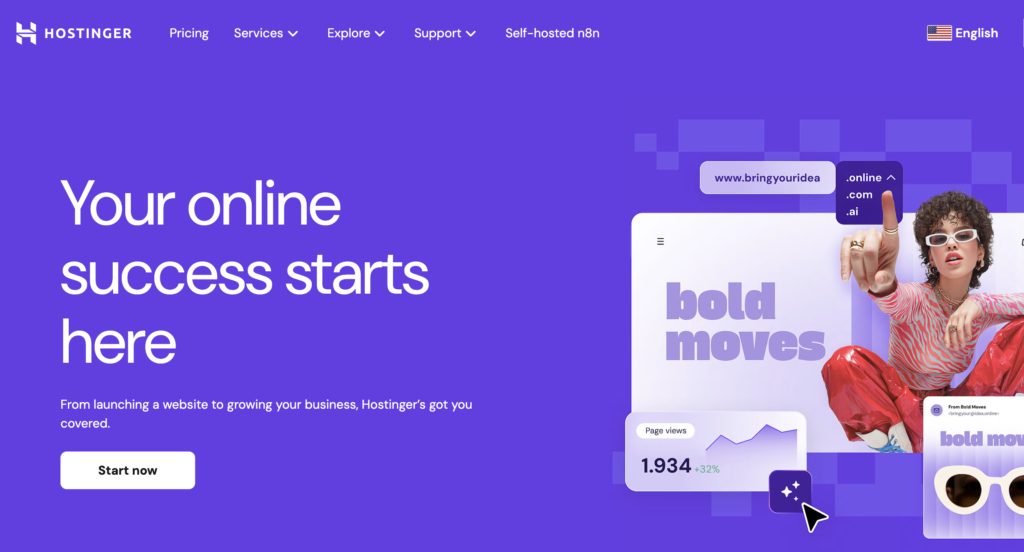
Why Hostinger Business Web Hosting?
I’ve looked into their latest 2025 updates, and they’ve integrated some incredible features that make a blogger’s life much easier:
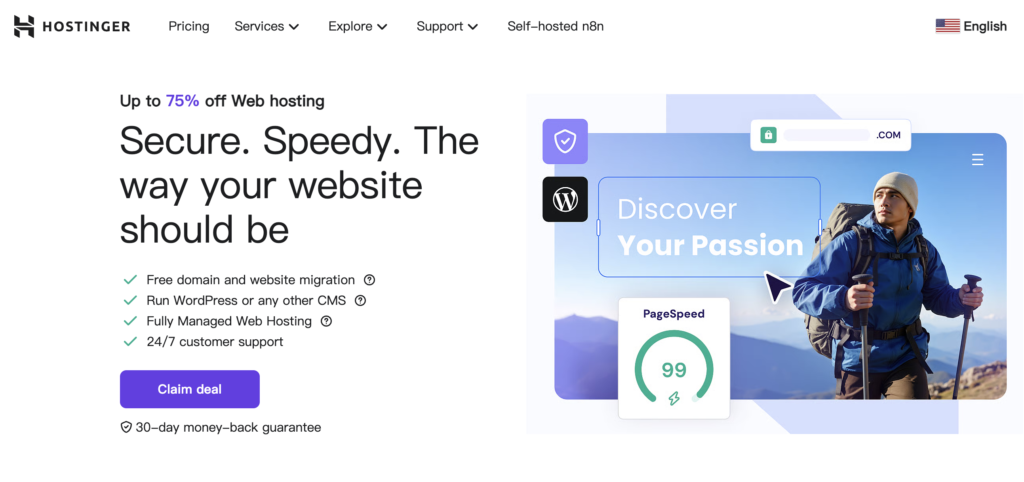
- Performance: It uses NVMe storage (up to 5x faster than standard SSDs) and LiteSpeed Web Servers, ensuring your blog loads instantly.
- AI-Powered Tools: They now offer an AI Website Builder and an AI SEO assistant that helps you generate SEO-friendly content and meta tags right from the dashboard.
- Security: You get free unlimited SSL certificates and a daily backup feature—essential for protecting your hard work.
- Free Domain: Most plans include a free custom domain for the first year.
Exclusive Deal: If you’re ready to start, use my link below to get an extra 20% OFF your hosting plan. It’s the best way to get premium performance without breaking the bank.
👉 [Claim your 20% Discount on Hostinger Business Web Hosting here]
3. Setting Up Your Blog (The Right Way)
Once you have your hosting, use the One-Click WordPress Install in your Hostinger hPanel. WordPress is the gold standard for blogging because it gives you total control over your SEO and ads.
- Choose a Clean Theme: Speed is key. Use a lightweight theme like Astra or GeneratePress.
- Install Essential Plugins: * RankMath or Yoast SEO: To optimize your posts.
- LiteSpeed Cache: (Included with Hostinger) to keep things fast.
- Site Kit by Google: To connect AdSense and Search Console easily.
4. Create Content That Google (and Humans) Love
To get approved for Google AdSense, you can’t just copy-paste. Google looks for E-E-A-T (Experience, Expertise, Authoritativeness, and Trustworthiness).
- Quality over Quantity: Aim for at least 15-20 high-quality posts (800+ words each) before applying for AdSense.
- Structure for SEO: Use H2 and H3 headings, short paragraphs, and bullet points.
- Answer Questions: Look at the “People Also Ask” section on Google for your niche and write posts that answer those specific questions.
5. Getting Approved for Google AdSense
Once your site has some content and a few visitors, it’s time to monetize. Here is your 2025 checklist for a 100% approval rate:
- Essential Pages: You MUST have an “About Us,” “Contact Us,” and a “Privacy Policy” page.
- User Experience: Ensure your navigation menu is clear. Google hates “under construction” sites.
- No Copyright Issues: Only use original images or royalty-free ones from sites like Unsplash or Pexels.
Once you apply, Google will review your site (usually takes 2-14 days). Once approved, you can start placing ads and earning money every time someone views or clicks them!

Final Thoughts
Starting a blog isn’t a “get rich quick” scheme, but with the right niche and a fast, reliable host like Hostinger, you are setting yourself up for long-term success. The key is consistency. Keep writing, keep optimizing, and the revenue will follow.