 By LinkTKS
If you’ve been wondering how to make your first money on Google AdSense through your blog in 2025, you’re in the right place. Monetizing your blog with AdSense remains one of the simplest and most accessible ways for beginners to start earning online—especially with the latest platform requirements and evolving ad technology. In this quick guide, you’ll discover practical steps to get approved, attract your first visitors, and unlock those initial payouts without wasting time or falling into common traps. Ready to turn your passion into profit? Let’s get started.
Choosing a Profitable Niche for AdSense Success
Picking the right niche is the first and most important step to monetize your blog with AdSense in 2026. A profitable niche not only draws traffic but also attracts high-paying ads. Focus on high-CPC niches in 2026 like finance, health, tech, insurance, and lifestyle—these areas offer the best earning potential because advertisers compete to place their ads there.
But choosing a niche is more than just chasing dollars. You need to balance:
- Passion: Writing about something you enjoy keeps you motivated.
- Competition: Avoid overly saturated niches where standing out is tough.
- Advertiser Demand: Prioritize topics with strong ad spending.
Use tools like Google Trends and Google Keyword Planner to research niche viability. They help you:
- Identify trending topics with growing interest
- Find keywords with high search volume and CPC
- Analyze seasonal or evergreen content opportunities
Starting with a clear, profitable niche tailored to both your interests and advertiser demand is critical for getting Google AdSense approval 2026 and making your first money steadily.
Setting Up Your Blog the Right Way
When you’re ready to monetize your blog with AdSense, the platform you choose matters a lot. For most beginners in 2026, WordPress.org is hands down the best option. It gives you full control over your site, lets you easily add AdSense ads, and supports all the plugins you need to boost traffic and optimize earnings.
Why WordPress.org Works Best for AdSense
Unlike free platforms, WordPress.org lets you customize everything—from ad placements to site speed. This flexibility helps with AdSense approval in 2026 and improves user experience, which Google values. Plus, it’s great for SEO, making it easier to attract organic traffic for AdSense success.
Step-by-Step Setup: Domain and Hosting
- Register a Domain: Pick a simple, brandable domain name that matches your niche.
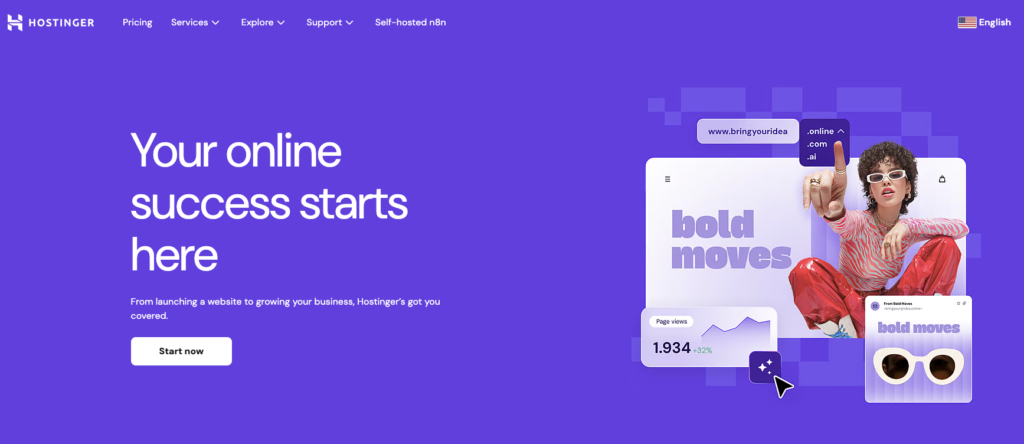
- Choose Reliable Hosting: I recommend Hostinger if you want affordable hosting without sacrificing speed. Fast loading times are a big plus for SEO and AdSense.
- Install WordPress: Most hosts like Hostinger offer one-click WordPress installation—super easy and quick.
Essential Plugins for AdSense Blogs
After setting up WordPress, install these essential plugins:
- SEO Plugin (like Yoast SEO or Rank Math) to help your pages get found.
- Caching Plugin (such as W3 Total Cache) to speed up your site.
- Security Plugin (like Wordfence) to protect your blog and keep Google happy.
Design a Clean, Mobile-Responsive Theme
Choose a theme that looks professional but isn’t cluttered. Mobile responsiveness is crucial since most readers use phones. Google rewards fast, mobile-friendly sites, which also means better AdSense ad placement options and higher earnings.
Keep it simple. A clean design helps visitors focus on your content and ads without distractions, improving your chances of making your first money on Google AdSense through your blog in 2026.
Creating High-Quality Content That Attracts Traffic and Ads
To make your first money on Google AdSense through your blog in 2026, content quality is key. Google’s AdSense approval rules now demand original, valuable, and user-focused content—no AI spam or low-effort posts. Your blog needs to provide real value that keeps visitors coming back.
Aim for blog posts of at least 1,500 words. Break them up with clear headings and include relevant images to make your content easier to read and more engaging. This structure helps boost SEO and keeps readers interested, increasing your chances of higher ad clicks.
Before applying for Google AdSense approval in 2026, build a solid content foundation. Aim to publish 10 to 20 high-quality posts that cover your niche thoroughly. This shows Google your blog is active and valuable, which improves your chances of approval and attracting better-paying ads.
Don’t forget the essential pages every blog must have to meet AdSense policy compliance:
- About – Explain who you are and what your blog offers.
- Contact – Make it easy for visitors and advertisers to reach you.
- Privacy Policy – Detail how you handle user data.
- Terms of Service – Lay out the rules for using your site.
Including these pages not only helps with approval but also builds trust with your audience and advertisers. By focusing on original, detailed content and fulfilling these basic site essentials, you’re setting yourself up for AdSense success in 2026.
Getting Approved for Google AdSense in 2026
Getting your blog approved for Google AdSense in 2026 starts with meeting some clear requirements. First, your content must be unique and original—copy-paste or spun content won’t cut it. Follow AdSense policy compliance strictly: no adult content, hate speech, or copyright violations. Your site also needs to be user-friendly, with easy navigation and fast loading times, especially on mobile devices.
Common Rejection Reasons and How to Avoid Them
- Thin or duplicate content: Ensure you publish meaningful posts, ideally 10-20 before applying.
- Policy violations: Review Google’s guidelines carefully to avoid restricted content.
- Poor design or difficult navigation: Use a clean, mobile-responsive theme (WordPress.org helps here).
- Insufficient site info: Include essential pages like About, Contact, Privacy Policy, and Terms of Service.
Application Process
Signing up is straightforward:
- Create a Google AdSense account using your Google ID.
- Connect your blog URL during the application.
- Wait for a site review—it usually takes 1 to 14 days, but can vary.
During this time, Google checks your site’s content and policy compliance.
Post-Approval Setup: Adding ads.txt File
Once approved, you’ll need to add an ads.txt file to your site root. This simple text file helps prevent unauthorized ad sales and secures your earning potential. Many hosting services (like Hostinger) or WordPress plugins make this step easy without coding.
Following these steps carefully will get you past the initial hurdles and set your blog up for AdSense for beginners success in 2026.

Implementing AdSense Ads on Your Blog
Once you get Google AdSense approval 2026, the next step is setting up ads on your blog. You have two main options: Auto Ads or manual placement.
Auto Ads vs. Manual Placement
- Auto Ads are quick and easy. Google uses AI to place ads where they’ll perform best, saving you time. This is great for beginners who want to start monetizing fast.
- Manual Placement gives you more control. You can decide exactly where ads go, which helps balance earnings and user experience (UX). It’s ideal once you understand your audience’s behavior.
Best Ad Formats for Beginners
Here are top-performing AdSense ad formats that work well on blogs:
- Display Ads: Standard banner ads that fit various screen sizes; simple and effective.
- In-Article Ads: Blend ads naturally within your blog posts without interrupting readers.
- Anchored Ads: Sticky ads that stay at the top or bottom of screens, catching attention without being too intrusive.
Smart Ad Placement Tips
To boost earnings without annoying visitors, focus on:
- Placing ads above the fold (visible without scrolling)
- Integrating in-article ads after the first or second paragraph
- Avoiding too many ads in one spot to prevent overwhelming readers
- Keeping ads mobile-friendly, as most traffic in the U.S. is now mobile
Integrating AdSense Code in WordPress
If your blog runs on WordPress.org, adding AdSense ads is easy:
- Use plugins like Site Kit by Google or Ad Inserter to insert ad codes without coding.
- For more control, paste AdSense code snippets directly in your theme’s header, footer, or specific widget areas.
- Always test your site after adding ads to ensure everything loads smoothly and the user experience stays intact.
Following these steps will help you efficiently monetize your blog with AdSense while keeping readers happy.
Driving Organic Traffic to Unlock Earnings
Getting organic traffic is the key to making your first money on Google AdSense through your blog in 2026. Without consistent visitors, your AdSense earnings will stay low. Here’s how to boost your blog’s traffic the smart way.
SEO Fundamentals for 2026
Focus on EEAT — Expertise, Experience, Authority, and Trustworthiness. Google values blogs that provide helpful, original content that serves real users. Also, pay attention to core web vitals like site speed, mobile-friendliness, and user experience. A blog that loads fast and is easy to navigate keeps visitors longer and attracts more ads.
On-Page Optimization
To rank higher and draw more readers:
- Use targeted keywords naturally in your posts, especially in titles and headings.
- Optimize meta tags (title and description) so search engines understand your content.
- Add internal links to related articles on your blog to keep visitors exploring and reduce bounce rates.
Off-Page Strategies
Building your site’s reputation outside your blog helps too:
- Share posts on social media regularly to increase visibility.
- Guest post on reputable blogs with a link back to your site to attract relevant traffic.
- Build quality backlinks from trustworthy sites to boost your blog’s authority.
Alternative Traffic Sources
Don’t rely on just Google search. Use other platforms to speed up traffic growth:
- Pinterest is excellent for driving niche-specific visitors with eye-catching pins.
- Build an email list early and send regular newsletters to keep your audience engaged and returning.
By combining solid SEO with smart off-page tactics and alternative traffic sources, you’ll unlock steady organic traffic, which means more clicks and better AdSense payout. Remember, consistent traffic growth is your fastest path to real earnings.
Optimizing for Your First AdSense Payout
To start making real money with Google AdSense through your blog in 2026, it’s key to understand how your earnings work. Three big terms to know are RPM, CPC, and page views.
- RPM (Revenue Per Mille) shows how much you earn per 1,000 page views. It helps you estimate your blog’s income potential.
- CPC (Cost Per Click) is what advertisers pay when someone clicks on an ad. Niches with high CPC mean better earnings per click.
- Page Views are the total visits your blog pages get, which directly impacts how much money you can make.
Tracking these numbers regularly is crucial. Use the Google AdSense dashboard and Google Analytics to monitor your traffic and ad performance. That way, you’ll see which pages and ads bring in the most money.
Here are some quick, effective tweaks to help optimize your earnings:
- Ad balancing: Don’t overload your pages with ads. Keep a good balance between content and ads to avoid annoying visitors.
- Block low-performing ad categories: Use AdSense settings to block ads that bring in little revenue or don’t fit your audience.
- Test ad placements: Move ads around to find spots with better click-through rates without hurting user experience.
To hit that first $100 payout threshold faster:
- Focus on creating more targeted, high-quality content that matches your profitable niche.
- Drive consistent, organic traffic using SEO fundamentals and social sharing.
- Keep improving ad engagement while ensuring your site loads fast and looks good on mobile devices.
By staying on top of your blog’s performance and making smart changes, you’ll reach your first AdSense earnings and start turning your blog into a reliable income source.
Getting Paid: Payout Process and Tax Basics
Once you hit the AdSense payout threshold of $100, it’s time to get paid. Google pays on a monthly cycle, usually around the 21st of each month, as long as your balance meets the threshold. You can receive payments via bank transfer (the fastest and most common), checks, or other local options depending on your location.
Before getting your money, you’ll need to complete a few verification steps: Google sends a PIN by mail to confirm your address once you reach $10 in earnings. After entering the PIN and verifying your identity, you unlock the payout. This ensures your account info is accurate and secure.
As a blogger earning through Google AdSense, managing your taxes is essential too. In the U.S., AdSense income counts as self-employment income, so keep track of your earnings for tax time. Remember:
- Report your AdSense earnings on your annual tax return.
- Consider setting aside a portion for taxes since Google doesn’t withhold taxes automatically.
- If you earn significant income, think about consulting a tax professional to manage deductions and quarterly payments.
Following these steps will ensure smooth payment and keep your blog monetization with AdSense compliant and hassle-free.
Common Mistakes to Avoid and Troubleshooting
When trying to make your first money on Google AdSense through your blog in 2026, avoiding common mistakes is key to staying approved and boosting earnings. Here’s what trips up new bloggers most often:
Policy Violations That Risk Account Suspension
Google AdSense has strict rules, and breaking them can lead to suspension or even a permanent ban. Watch out for:
- Plagiarized or copied content — Always use original content to stay compliant.
- Click fraud or encouraging clicks — Never click your own ads or ask others to do it.
- Adult, violent, or copyrighted material — Stick to safe, advertiser-friendly topics.
- Improper ad placement — Avoid placing ads where accidental clicks happen, like near navigation buttons.
Make sure your blog follows the AdSense policy compliance guidelines to keep your account safe.
Low Earnings Pitfalls (Poor Placement, Invalid Traffic)
Even with approval, low earnings can be frustrating. Common reasons include:
- Bad ad placement — Ads buried at the bottom or too crowded with other ads get fewer clicks. Use the best AdSense ad placement tips like placing ads above the fold or within content.
- Targeting low-CPC niches — Choose niches with good advertiser demand to maximize your RPM and CPC.
- Invalid traffic — Avoid using bots, paid traffic, or untrustworthy sources that Google flags as suspicious. Remember, organic traffic is your best bet for long-term success.
What to Do If Approval Is Denied or Earnings Stall
If your Google AdSense approval 2026 is denied or your earnings aren’t growing, here’s a quick troubleshooting guide:
- Review rejection emails closely for specific reasons. Fix any policy violations or content issues.
- Add more quality content (aim for 10-20 solid posts) to show Google your blog’s value.
- Improve user experience by speeding up your site and making it mobile-friendly.
- Reapply patiently after your fixes; approval can take from a few days up to two weeks.
- If earnings stall, experiment with different AdSense auto ads or manual placements, tweak your keywords, and promote your blog to drive more organic traffic for AdSense.
- Use Google Analytics and the AdSense dashboard to spot where you can improve.
By avoiding these mistakes and acting fast on issues, you set yourself up for steady growth and your first real AdSense earnings.